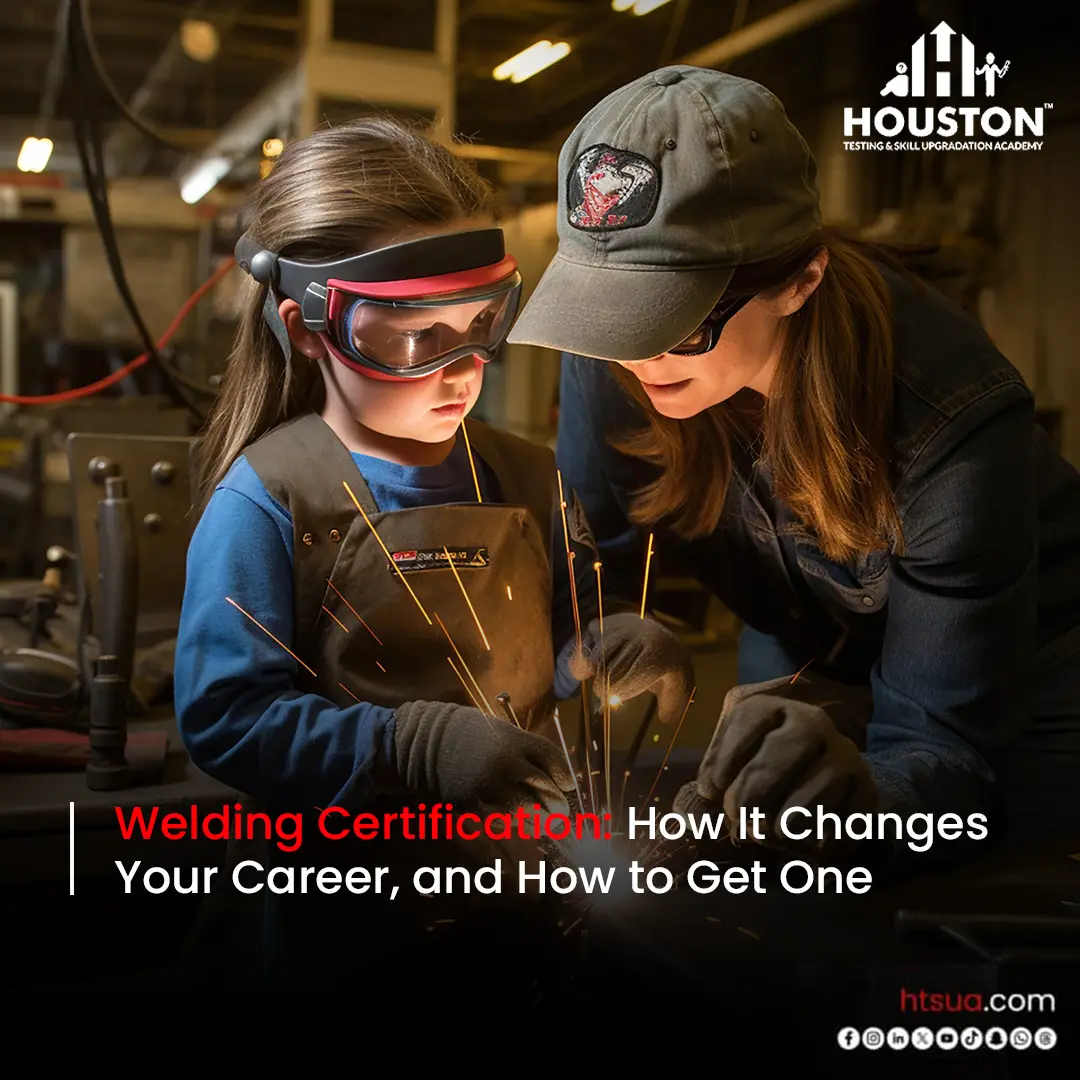

Importance of Electrical Certification

You’ve got hands-on experience working on risky sites, handling complex wiring, and solving problems that textbooks don’t cover. But when you apply to the bigger companies, you’re not hearing back.
International employers and high-paying domestic firms have one requirement: an electrical trade certification from a premiere SVP trade testing centre. It is the credential that gets you through the door. Without it, your resume rarely makes it past the first filter.
In this blog, let’s look at what certification actually changes and why it’s worth pursuing sooner rather than later.
Ready to Unlock Higher Pay and Better Job Opportunities?.
A] The Job Market Has Changed: Proof Matters More Than Words
Not long ago, a reference from a supervisor or a few years of site experience was enough to get you through the door. That’s changed.
Today, both domestic contractors and international employers, particularly in the Gulf, Saudi Arabia, and Southeast Asia, require formal, verifiable credentials before they even consider a candidate. This is why electrical certification is important not just as a formality but also as your primary career tool.
A certificate tells an employer three things at a glance:
- Your skills have been evaluated by a credible third party
- You meet industry-defined benchmarks
- You’re job-ready from day one
With infrastructure projects, smart city developments, and industrial expansion creating a steady pipeline of roles across India and the Gulf, the opportunity has never been bigger. The only question is whether your profile is built to capture it.
B] What Certification Actually Unlocks
Beyond the resume line, becoming a certified electrician provides opportunities in ways that compound over time.
1. Better Job Opportunities From the Start
Construction companies, facility management firms, and international contractors have structured hiring processes. Many will not move a candidate forward without verified trade credentials. Certification ensures your profile clears that first filter, which is often the hardest one to get past. It also signals to recruiters that you are deployable immediately, reducing the onboarding risk that employers are increasingly reluctant to take on.
2. Higher Earning Potential
Certification improves your earning potential from day one. Employers pay a higher wage for candidates they do not need to second-guess, and that money grows when international roles enter the picture. Overseas positions carry higher salaries, but certified candidates are almost always first in line for them. Beyond the pay, certification also sets you up for increments and supervisory opportunities that uncertified workers rarely get considered for.
3. Access to Specialised Roles
A base electrical certification opens the door to advanced verticals that command better pay and working conditions:
- Industrial Electrician
- Fire Alarm Technician
- Cable Jointer
- CCTV Technician
- Generator Specialist
- Motor Winding Expert
Without that foundational credential, most of these roles remain out of reach, regardless of how capable you are on the ground.
C] What the Certification Process Actually Looks Like
For most electricians, the biggest hesitation isn’t the decision to get certified; it’s not knowing what to expect. Here’s a straightforward breakdown.
1. Skill Upgradation vs. Trade Testing: Know the Difference
These are two distinct steps, and understanding which one applies to you is the starting point.
- Skill upgradation: The course is for candidates who want to build or sharpen their technical knowledge before being formally assessed. Think of it as structured preparation covering both theory and hands-on practice under expert guidance.
- Trade testing: The formal assessment itself. Your skills are evaluated against industry benchmarks through practical tasks and theoretical testing. Pass it, and you receive a recognised certification.
If you’re confident in your existing knowledge, you are ready to go straight to trade testing. If there are gaps, or if it’s been a while since you worked in a structured environment, opting for skill upgradation is the smarter route.
2. What Happens During Assessment
The assessment is designed to reflect real working conditions. You will be evaluated on how safely and accurately you handle trade-specific tasks — the kind of work you are expected to perform on site, not answers on a page.
3. How Long Does It Take
Timelines vary depending on the specialisation and whether you go through skill upgradation first. Trade testing itself is typically completed within a few days. Meanwhile, skill upgradation programmes tend to run longer, depending on the depth of training required.
D] What You Should Look for in a Certification Programme
Not all certifications carry equal weight. The value depends entirely on who issued it and whether those target employers recognise it.
Before enrolling, ask:
- Is the certification recognised internationally, not just domestically?
- How rigorous and transparent is the assessment process?
- Does the institution have established ties with overseas hiring partners?
- Is there placement support after certification?
For electricians targeting Gulf markets specifically, programmes aligned with Takamol and NSDC frameworks are the ones that move the needle. These are the credentials overseas hiring managers are actively looking for.
E] How Houston Gets You Certified the Right Way
At HTSUA, we understand that a certificate is only as valuable as the credibility behind it. That is why our programmes are built on Takamol and NSDC partnerships, biometric-verified assessments, and internationally benchmarked standards. So, every credential we issue is one employers actually trust.
Our electrician trade testing spans specialisations from house wiring and industrial electrical work to fire alarm systems and cable jointing, so candidates are evaluated on what directly matters for the work they want to do.
Don't Let your Valuable Hands-on Skills Go Unrecorded
Conclusion: Your Skills Deserve to Be on Record
The global demand for certified electricians is growing, mainly driven by infrastructure expansion, renewable energy, and urban development across India and the Gulf. Skilled tradespeople have never had more to gain, but these golden opportunities belong to those who can prove their competence.
If you have spent years building your skills, obtaining the right certification ensures the right employers can see it. So, get in touch with our team of expert trainers to find the best career path forward.
Categories
Latest Post