
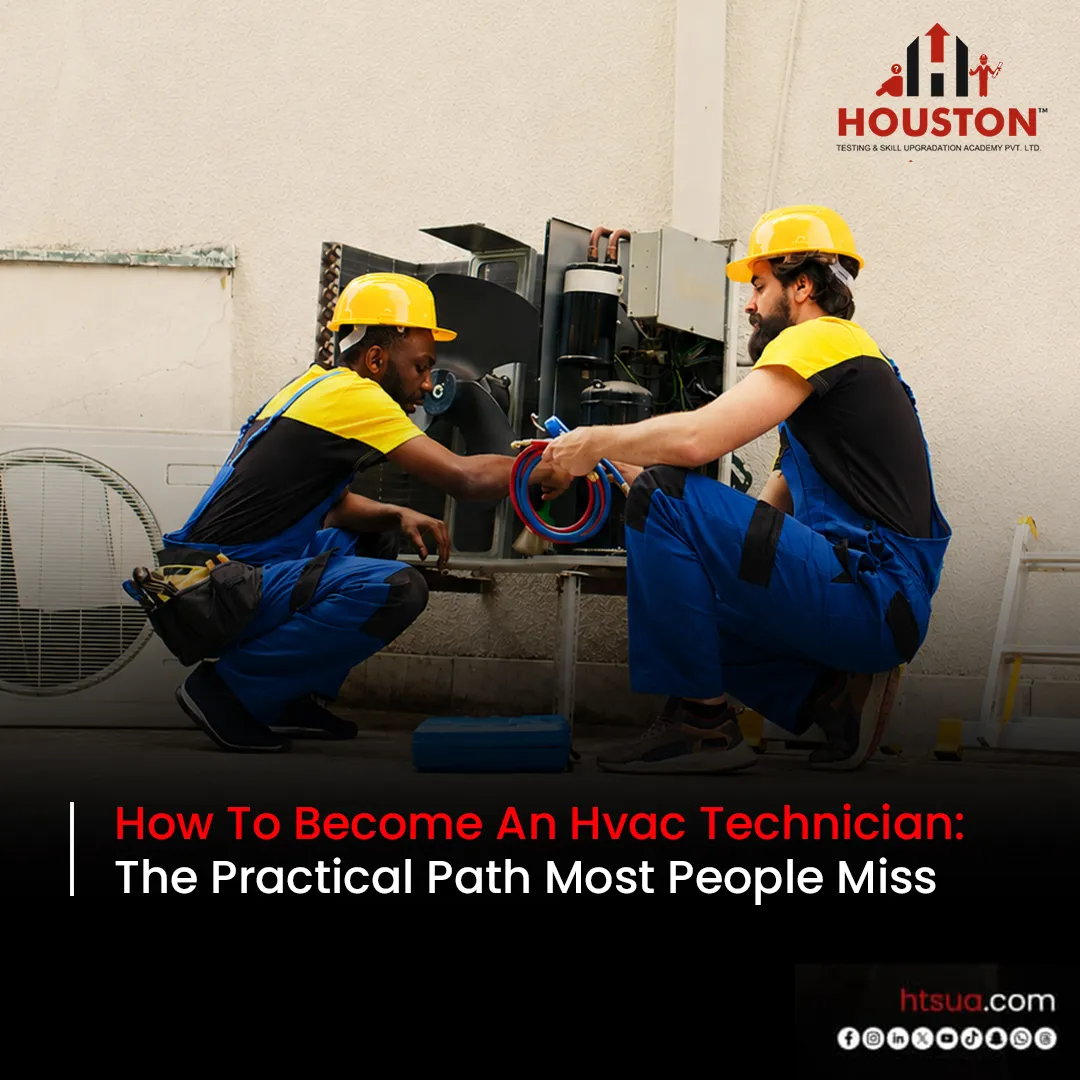
Your Guide On Overseas Job Preparation: What Every Indian Candidate Must Know
Every year, 700,000 Indian workers pack their bags and head abroad, a figure that continues to trend upwards. As of 2024, at least 18.5 million Indians were working overseas, with more than half based in Gulf countries. This figure reflects a robust international demand for Indian talent.
But here’s what most candidates don’t realise: getting an overseas job isn’t just about having skills. It’s about being prepared. Following expert tips for overseas employment is what truly sets successful candidates apart from those who are still waiting for an opportunity.
If you’re ready to take your career global, this guide covers everything you need to do before you start preparing for your application.
Your skills are ready. Your certification should be too. Visit HTSUA today and launch your overseas career.
A] Why Preparation Makes All the Difference
Most candidates assume that if they have the skills, the job will follow. And while skill matters enormously, it’s rarely enough on its own. International employers, especially in the Gulf, are hiring from thousands of miles away. They can’t visit your previous work site. What they can see is whether you have a recognised certification.
That’s why candidates with the right certifications and a clear understanding of what the roles require get shortlisted over equally skilled applicants who haven’t done the groundwork.
B] Key Things to Know Before Working Abroad
1. Get certified by a recognised centre
A trade test from a recognised centre evaluates your practical skills, technical execution, and safety compliance against global benchmarks. The result is a certification that international employers trust without question.
When choosing where to get certified, search for a trade testing centre that is Takamol and NSDC-accredited. The institution that you choose should use transparent evaluation methods like biometric verification and video-recorded assessments and employ assessors with real industry experience.
2. Know what your destination country requires
Different markets have different standards. Understanding them is very important to prepare for overseas employment. For instance, if you’re targeting Saudi Arabia and other Gulf job markets, the Takamol Skill Verification Programme (SVP) is the benchmark, created specifically to verify the professional skills of workers. It’s the difference between being considered and being overlooked.
3. Know exactly which role you’re applying for
Overseas job listings are very specific, as companies usually hire for specific roles. If your certification doesn’t clearly match what the job requires, your application loses credibility before it’s properly considered. It can help if you research the exact roles available in your target market and understand what each one requires.
4. Get your documents organised before you apply
Disorganised paperwork is one of the most common reasons overseas applications stall, and it’s entirely avoidable. Before you start applying for jobs abroad, have these ready:
- A valid passport with sufficient remaining validity
- Prior employment records and references
- Educational or trade qualifications
- Any existing certifications
- A clear record of the specific trades and roles you’ve worked in
Having these ready before you apply saves weeks of back-and-forth and shows employers you’re serious.
C] The Role of Trade Testing and Certification
If you’ve been wondering what employers look for in overseas candidates, trade testing is a big part of the answer. It’s not just a box to tick; it’s the process that turns your hands-on experience into a credential that holds up internationally. Here’s what it actually involves.
1. What happens during a trade test?
A trade test at HTSUA has two parts. The first is a short theoretical assessment: oral or written. These assessments are available in Hindi and local languages, so there’s no language barrier. The second is a practical assessment where your skills do the talking.
Depending on your trade, you’ll demonstrate your work in a real setting. It is observed by assessors with decades of industry experience and recorded on video for full transparency.
2. National and international recognition
HTSUA, India’s premier trade testing centre, is recognised by the NSDC, the Indian government’s national skill development body. This gives your certification institutional credibility domestically.
For Gulf-bound candidates, HTSUA’s Takamol certification is what makes the real difference. As one of the few Takamol-certified centres in India, certifications issued here are directly accepted for Saudi Iqama (work visa) processing.
For anyone preparing for overseas employment in the Gulf, this is the credential that opens the door.
D] How HTSUA Prepares Candidates for Overseas Employment
1. More than just a certificate
At HTSUA, the goal isn’t just to hand you a document. It’s to make sure you’re genuinely ready for the role you’re going for. If you need to build up your skills before sitting the trade test, our skill upgradation track offers structured, hands-on training across carpentry, MEP, welding, civil, hospitality, and more.
Once you’re ready, you sit the trade test in front of assessors with 25 to 30 years of real industry experience.
2. Certified across 60+ trade categories
HTSUA is formally recognised by Takamol and collaborates with NSDC, covering over 60 categories of technical testing across 7 accredited centres. That means your certification is directly valid for Gulf employment, with no delays and no rejections at the screening stage.
3. A direct line to employers
After certification, HTSUA’s technical interview facility centre connects you with hiring companies both in India and internationally. It’s not a job board; it’s a structured bridge between verified candidates and employers who are actively looking to hire.
Thousands of Indian trade professionals have already made the move abroad through HTSUA. Find out how to get started.
E] Where to Start: A Simple Checklist
How should I start my preparation for working in another country? Keep it simple; work through this list:
- Choose a Takamol-accredited, NSDC-recognised certification centre
- Opt for skill-upgradation training if you want to prepare before the trade test
- Identify your exact trade specialisation and the role you’re targeting
- Organise your documents before you start applying
- Confirm your destination country’s specific certification requirements
- Use your centre’s job placement support once you’re certified
Your skills are already there. Getting prepared is how you make them count. Contact us to speak to a counsellor about the right trade testing track for you.
Categories
Latest Post


July 9, 2026